An Intentional Relationship with Your Pantry
As much as I would love spreadsheets and well organized pantry all the time, chaos tends to be more like. This is a small snippet of how I guide my relationship with my pantry.

A well-stocked pantry is an absolute joy for me. On any given day, with a bit of guidance from vegetables and occasionally some dairy, I can create whatever I'm craving: a feeling of joy and empowerment.
However, this is only possible by always keeping the ingredients I love on hand. This feeling led me to write The Yearlong Pantry because, ultimately, I want everyone to have the chance to experience this feeling.
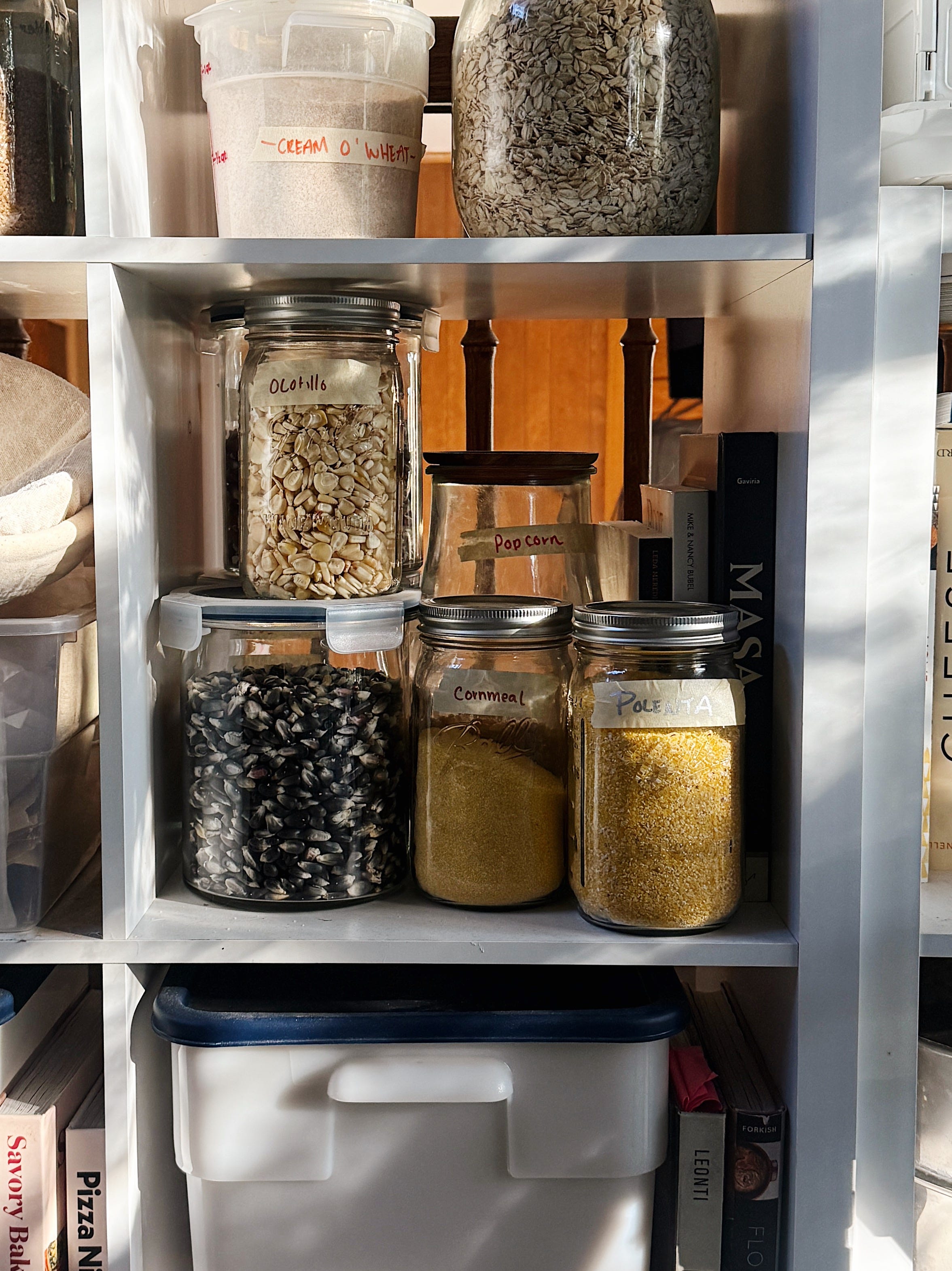
Yet, for as much joy and excitement as my pantry brings, there's an opposite side of anxiety that I know many of us feel. In talking with many of you, organizing and keeping track of your pantry is top of mind. In large part, this is because we find it absolutely easy to accumulate ingredients that have a non-insignificant chance of being shoved into the dark recesses of our kitchen, lost to time.
I've been in many kitchens and pulled spices purchased decades ago, questionable canned items, and rancid oils that would knock one over with a whiff. Even I, as much as I practice what you'll read below, have a few spice jars filled with items I purchased early in the pandemic (but in my defense, I feel like I've lost a few years between now and then).
Our pantries are the foundation for the meals we make every day. If we're feeling anxious about the state of our cupboards, I think it's possible we won't find as much joy in our cooking.
And so, here's what I think about and do throughout the year to manage this often unruly part of my kitchen.
Shopping Your Pantry
First and foremost, the key to a solid pantry is knowing what you already have. Many times in my life, I've been at the store and impulsively bought something, thinking I needed it, only to find I still had plenty on hand. While I know I'll use it, the extra purchase can be frustrating.
I'll be the first to admit I have no everyday organizational system. There are no spreadsheets or lists, as much as I wish there were. It's not how my brain works; I often end up more frustrated when I've tried. As I've gotten older, I've learned to accept how my brain operates and work within my limitations.
Without a list or database, I've learned to shop in my pantry before every store trip. Whether I'm meal planning or just thinking about a recipe I want to make, my first stop is always to pull out the items I already have on hand.
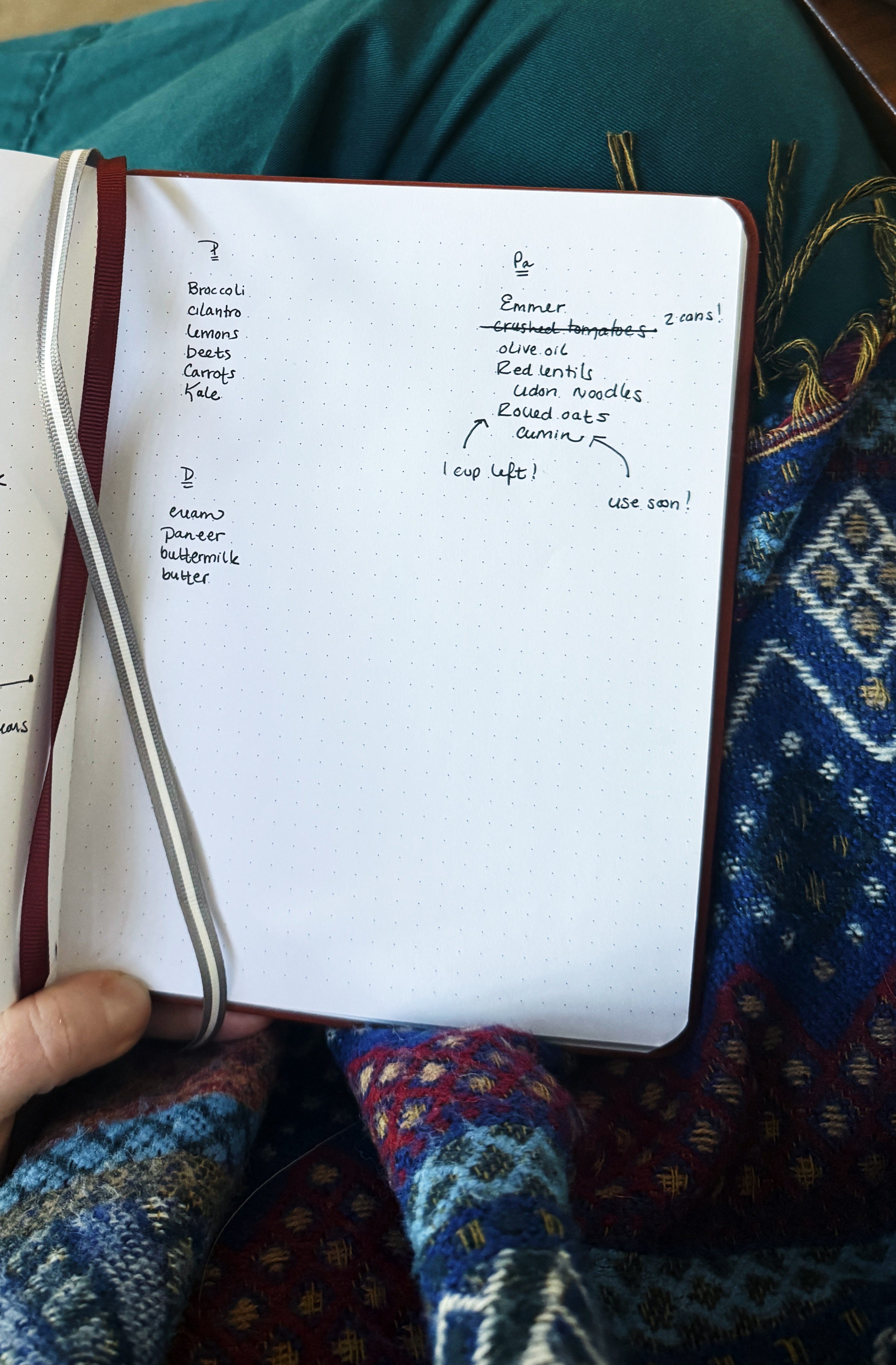
Using this time allows me to engage with the ingredients. I can check to ensure they are still fresh, often smelling items like spices or oils. I check amounts, allowing me to restock low-quantity items and pushing me to think about alternatives I might have on hand. It's a bit of a puzzle, but it allows my brain to think about these ingredients intentionally.
For example, if I'm making a stew and I want to use barley but I find I have none, I could buy more barley, but I typically have at least four other grains on hand that would easily work for barley. Or, say I'm making the Chile-Walnut Paste from my cookbook, but I have neither walnuts nor walnut oil. However, in my shopping, I find I have peanuts and peanut oil. Done, and no extra shopping is needed.
While this technique is easy for confident cooks, it may not be for others. Here, I highly recommend a web search and a little intuition. Even today, I'll search 'substitutes for x' if I feel uninspired or am low on ingredients.
Sometimes, you end up with a phenomenal meal, and sometimes, you have a life lesson. But as I tell my child, everything is a learning experience, and even through a failed swap, we learn something about our ingredients.
Organizing For The Unorganized
To look through your pantry, it must be somewhat organized. I push the limits on this, as sometimes during the year, my pantry can only be described as a hot mess. While I have areas roughly dedicated to certain ingredients, I find my ADHD gets the best of me, and I often shove things in with reckless abandonment. After a month or two of doing this, I find I am now just causing myself confusion and mild-level anxiety as I navigate the precarious situation.
Organization is where another level of intentionality comes into play. I cannot be trusted to keep things tidy day in and day out, so I must have times when I do organize. I attempt this once a quarter, but occasionally, depending on my chaos, it's sooner because I hit a point where it's too much for me. The occasional organization is an excellent thing to calendar.
During these times, I pull everything out. I check expiration and purchase dates–get yourself a roll of masking tape and label everything as you buy it—it's low effort and in your face. I put things in jars if needed, and I make notes to remind myself what I need to use as I think about meals in the coming weeks.
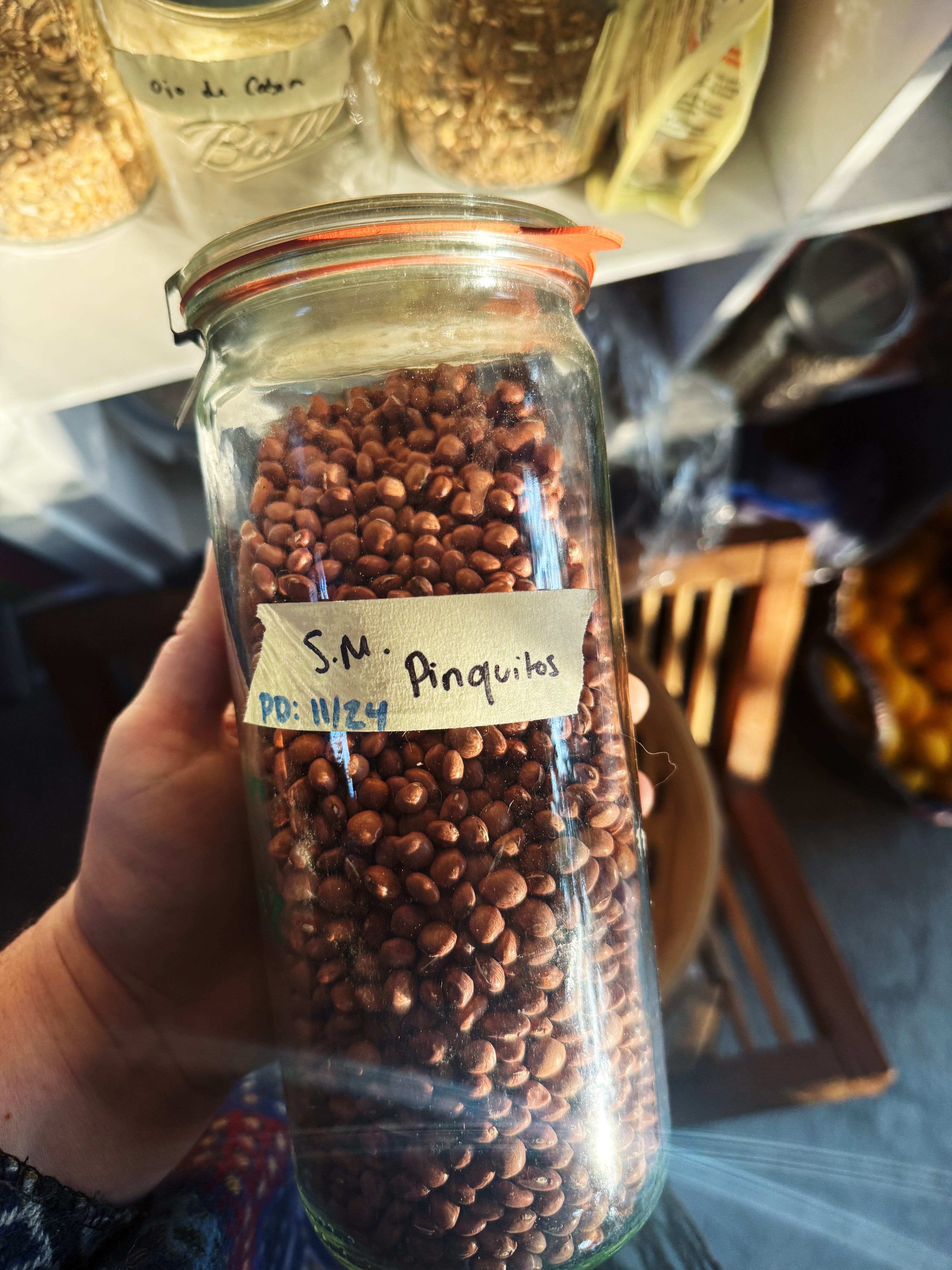
By committing to doing this every so often, I ensure that nothing goes too long in the depths of my pantry. Best of all, I typically come out of the organizing process feeling invigorated to use these ingredients again.
Tempering Enthusiasm
While one might think my lack of daily organization is the largest issue with my pantry, the honor goes to my unbridled cooking enthusiasm. I cannot begin to tell you how often I've purchased things on a whim because I felt inspired and excited. While this is okay occasionally, the level at which I do it does cause some level of chaos in my pantry.
I speculate I'm not alone in this. When people dive in and learn more, their enthusiasm outpaces their ability to use ingredients. What started as a small collection balloons into something unmanageable.
And so, beyond shopping your pantry and occasionally organizing, the best thing you can do is be realistic with yourself.
I know myself, which means I buy large quantities of the ingredients I know I'll use throughout the week and then smaller, rotating items I use occasionally. If you're buying from bulk and it's an ingredient you are unsure about, buy enough for a meal or two and set the intention to use it within a week or two.
Again, this is where searching the web and consulting cookbooks can be super helpful. This becomes a process of self-discovery and allows you to learn about the flavors and textures you enjoy in food, which is one of the true joys of cooking for yourself.
“If we're feeling anxious about the state of our cupboards, I think it's possible we won't find as much joy in our cooking.” Ugh so true. Awesome tips, thanks for sharing!
Very helpful! Thank you 😊